
Look, nobody tells you when you get sober that running a business is basically trigger central.
You trade the drink for the hustle. The high from a closed deal. The rush of a big launch. And then, just like before, you're right back in the same patterns that nearly destroyed you.
The Big Book says, "Selfishness, self-centeredness! That, we think, is the root of our troubles." That doesn't magically disappear when you hang your shingle.
Here are seven business triggers most sober founders don't see coming, and the recovery-tested strategies that actually work.
Trigger #1: The 80-Hour Work Week
You're pulling 12-hour days. Weekends blur into weekdays. You tell yourself it's temporary.
It never is.
Overwork creates the exact brain chemistry that threatens recovery. The constant cortisol. The decision fatigue. The exhaustion that whispers, "You deserve relief."
One member of our mastermind group put it this way: "I stopped drinking, but I was still running from myself. Just running into spreadsheets instead of bars."
The sober solution? Build systems before you need them. Delegate strategically. Your clients often prefer consistent processes over your personal attention anyway.
Recovery taught us that control is an illusion. Apply that principle to your org chart.
Trigger #2: The Success Whirlwind
This one catches people off guard.
Your business takes off. Revenue doubles. Everyone wants a piece of you. You're living the dream.
And it's terrifying.

Success creates urgency, visibility, and pressure, all at once. As documented by SAMHSA, stress is one of the top relapse triggers, and ironically, rapid business growth creates massive stress.
The entrepreneurs who stay sober during growth spurts? They treat success like they treat recovery: one day at a time.
They build in margins. They protect their morning routines. They don't schedule calls during their regular meeting times.
Business growth doesn't have to mean lifestyle chaos. In fact, it can't, not if you want to keep what you've built.
Trigger #3: Financial Volatility
You're two months behind on payroll in your head, even when the bank account looks fine.
Or worse, the account is actually low, and you're scrambling.
The Big Book talks about "fear of economic insecurity." For founders in recovery, cash flow swings can trigger the same panic that once sent us reaching for a bottle.
Here's what works: transparency with your accountability network. In our weekly masterminds, we talk real numbers. Not LinkedIn humble-brag numbers. Actual P&L reality.
One founder shares his cash flow spreadsheet in our Zoom rooms every month. He says it's as important as sharing in a home group.
The point isn't to problem-solve your way to perfect cash flow. The point is to not white-knuckle it alone.
Trigger #4: People-Pleasing Disguised as Service
You undercharge. You overdeliver. You can't say no to client requests because you don't want to disappoint anyone.
Sound familiar?
This isn't good customer service. It's unmanaged codependency.
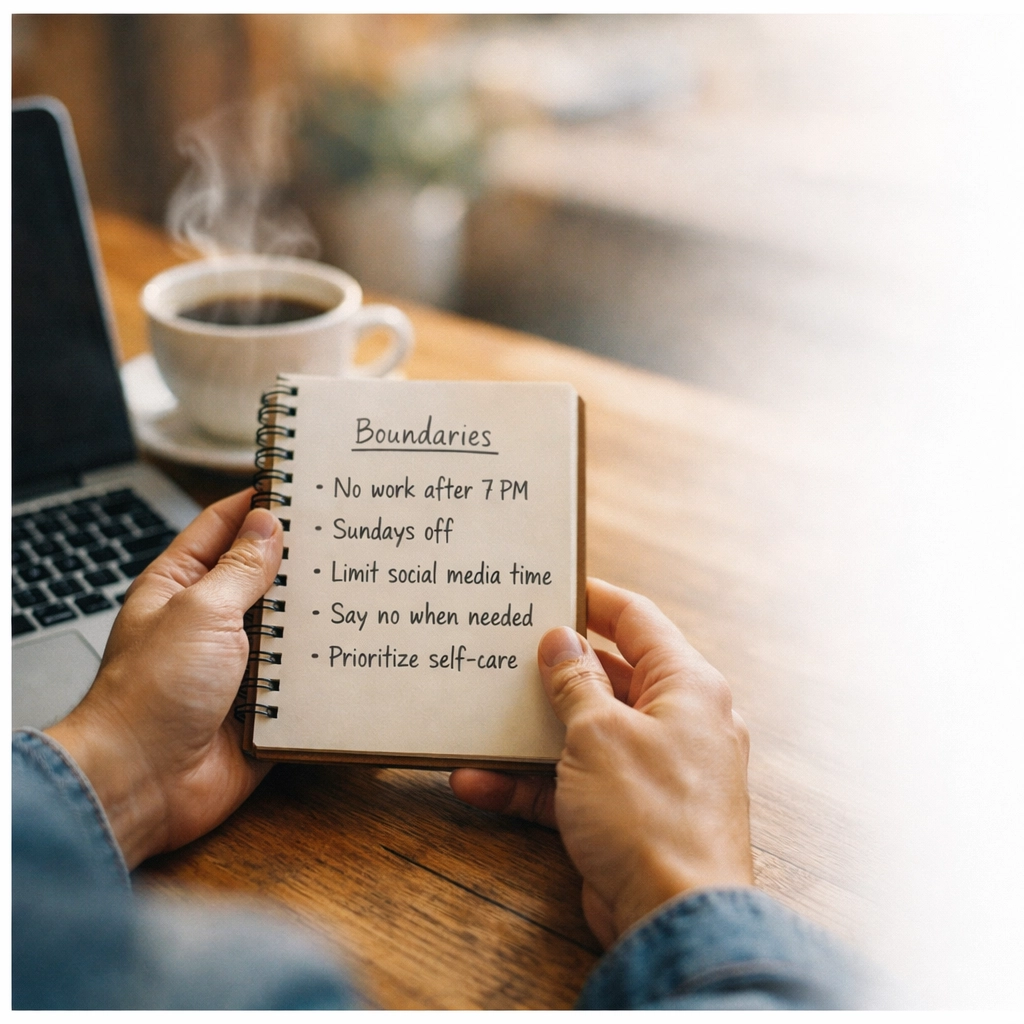
Recovery taught us to examine our resentments. In business, resentments show up as unpaid overtime, scope creep, and clients who "just need one more thing."
The 10th Step promises talk about not regretting the past. But you'll regret every boundary you didn't set when you're burned out at 9 PM on a Friday, finishing work for a client who hasn't paid on time in months.
Set rates that let you breathe. Fire the clients who drain you. It's not mean: it's self-preservation.
Trigger #5: Perfectionism That Masquerades as Excellence
You won't launch until it's perfect. You rewrite the sales page seventeen times. You miss deadlines because you're convinced it's not good enough yet.
The Big Book reminds us: "We are not saints."
Neither is your website. Or your onboarding process. Or your first hire.
Perfectionism is fear in a business suit. It's also procrastination with a productivity podcast in the background.
Sober founders who actually grow their businesses embrace "good enough." They ship version 1.0. They iterate in public. They know that done beats perfect every single time.
Progress, not perfection: that's a recovery principle that saves businesses too.
Trigger #6: Isolation at the Top
Nobody in your life gets it.
Your partner doesn't understand why you're stressed when revenue is up. Your employees don't see the weight of payroll. Your family thinks you can "just take a day off."
And you can't exactly talk about staying sober while scaling at the local Chamber of Commerce mixer.
Loneliness is a killer trigger. The Big Book says, "To watch loneliness vanish, to see a fellowship grow up about you, to have a host of friends: this is an experience you must not miss."
That's why sober business masterminds exist.
Not generic networking groups where everyone's drinking and humblebragging. Real spaces where you can say, "I almost lost it this week," and people nod because they've been there too.
You need peers who understand both profit margins and the 9th Step. That's not optional: it's survival.
Trigger #7: The Conference Circuit (And Other Alcohol-Soaked Networking)
Industry events. Client dinners. Networking happy hours.
You're supposed to show up, shake hands, and "build relationships." But every relationship seems to happen over drinks.
Early in sobriety, one of our members skipped conferences entirely. Too risky. But that meant missing major opportunities.
Now? He books dinners at coffee shops instead of bars. He schedules breakfast meetings. He leaves events by 8 PM.
He also stopped pretending he was sick or had "early meetings" the next day. Now he just says, "I don't drink."
Most people don't care. The ones who do aren't your people anyway.

The confidence to navigate business without alcohol doesn't come from having perfect answers. It comes from having a solid recovery foundation and a network that's got your back.
The Pattern Nobody Talks About
Here's the thread running through all seven triggers: they're all about substituting business for the substance.
We like the effects produced by entrepreneurship the same way we once liked the effects produced by alcohol.
The rush. The validation. The escape from feelings.
Recovery isn't about swapping addictions: it's about building a life where you don't need to escape anymore.
That means working on your business instead of just in it. That means hiring the executive assistant even though it feels indulgent. That means protecting your Tuesday night recovery meeting like it's a board meeting.
Because it is.
What Actually Works
The entrepreneurs who stay sober while building successful businesses share a few non-negotiables:
They maintain multiple layers of accountability. Business coach and sponsor. Mastermind group and home group. Partner who knows the real numbers.
They design their calendars recovery-first. Meetings are sacred. Family dinners happen. The 10 PM client call doesn't.
They talk about money openly in safe spaces. Not on social media: in confidential peer groups where people understand both EBITDA and the 3rd Step.
They build businesses that support their sobriety, not threaten it.
And they stop pretending they can do this alone.
Your Next Step
If you're reading this and thinking, "This is exactly what I'm dealing with," you're not alone.
The experience, strength, and hope in our community comes from founders who've been exactly where you are. People who understand that a trigger doesn't care if your revenue is up or your team is winning.
We discuss all of this: task management that doesn't overwhelm, hiring decisions when you're scared to let go of control, staying present with your family when the business is on fire: in our weekly mastermind sessions.
These aren't generic business groups where you feel like you have to perform. They're confidential Zoom rooms where you can talk about what's really happening.
If this resonates with you, check out one of our weekly masterminds at Sober Founders Events.
Your business matters. Your recovery matters more. And you don't have to choose between them.