
Sponsored Post: This article was written by Soberlink, a paid sponsor of Sober Founders. We only partner with organizations whose mission aligns with supporting sobriety and recovery.
There’s a version of success that looks effortless from the outside and costs everything on the inside, and a lot of people in this community know exactly what that feels like. Doing the work of recovery while growing your business requires a sustained effort that doesn’t show up in a pitch deck or a revenue report.
Sobriety changes how you build, and it also changes what’s at stake. And if you’re being honest, you probably think about protecting those stakes more than you let on.
Not in a fearful way, necessarily, more like the way any serious person thinks about risk. You carry insurance on your business, you have an estate plan, and you make decisions carefully because the stakes are high and you’ve worked too hard to be careless. Your recovery deserves that same kind of deliberate protection.
That’s the conversation many sober executives are starting to have, and it’s leading them to something called Soberlink.
What Soberlink Actually Is
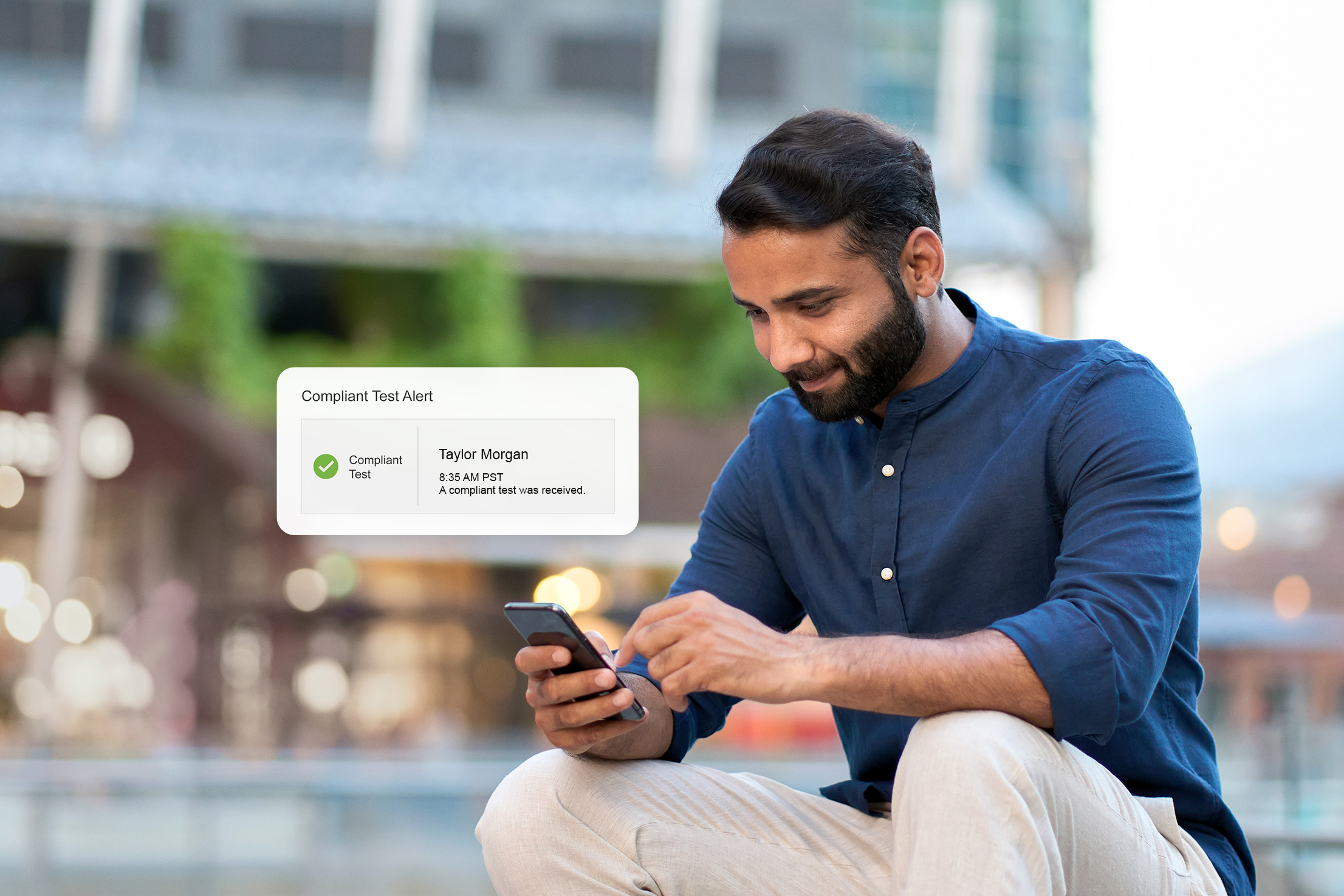
Soberlink is a high-tech breathalyzer that uses built-in facial recognition and tamper sensors to verify sobriety and send results instantly to the people in your corner, whether that’s a family member, a sponsor, a therapist, or an attorney. The whole process takes about a minute, and what you’re left with is a running record of your sobriety that builds over time.
For people who travel constantly, work under pressure, and don’t always have their support network nearby, that kind of structure goes a long way. On one end, you get a reliable accountability system that works wherever you are. On the other end, your family, sponsor, or treatment provider gets real-time confirmation rather than having to take your word for it, and that shift alone can take a significant amount of tension out of those relationships.
Why Verified Accountability Changes Things
Most people in long-term recovery already understand that willpower alone isn’t what keeps them sober. Structure does, and so do relationships, routines, and consistent accountability to other people.
Soberlink fits into that picture as a practical, low-friction layer of accountability that works regardless of where you are or what’s going on in your schedule. A demanding travel schedule or a high-stress quarter won’t disrupt it. It runs in the background, quietly doing its job, so you can stay focused on yours.
There’s also something worth noting here about the internal experience of using it. A lot of sober executives describe a certain background hum of anxiety around proving their sobriety, especially in professional or legal contexts. Soberlink tends to quiet that. When the documentation is automatic and ongoing, you stop having to manage other people’s doubts manually.
What It Means for the People Around You
If you’ve spent any time rebuilding trust with family members or business partners after your drinking years, you know how long that process takes. Words help, but they have limits. What tends to actually move the needle is time plus consistency plus something people can see.
Soberlink gives your loved ones something concrete to point to: a daily record, months of clean results, a documented history that accumulates over time. That record starts to speak in a way that reassurance alone never quite can, and a lot of families describe the shift that happens when they go from hoping things are okay to actually being able to see that they are.
For anyone navigating a custody arrangement or a professional licensing situation, that documented record can carry weight in legal proceedings too.
A Resource Worth Knowing If You Work in Recovery
For those of you running treatment centers, coaching practices, or sober living programs, Soberlink is worth understanding as a tool for the people you serve.
Clients in early recovery or outpatient settings often struggle with self-reporting, and that’s not a character flaw. It’s a function of shame, fear, and the nature of the disease. Standard check-ins can’t always capture what’s actually happening between sessions or after discharge.
Remote alcohol monitoring fills that gap. It creates a consistent accountability structure that stays active outside of your facility or your scheduled appointments. It gives you objective data to work with, making it easier to spot problems early and respond before a slip becomes more serious.
For recovery coaches specifically, recommending Soberlink to clients is a practical way to add accountability infrastructure to your model without significantly increasing your own administrative load. Your clients get more support, and you get better visibility into how they’re actually doing between sessions.
The Bigger Picture
Sober executives who invest in tools like Soberlink aren’t doing it from a place of doubt about themselves. They’re doing it for the same reason they invest in anything that matters: because they take their recovery seriously and they understand that good systems make good outcomes more likely.
Recovery is worth protecting with the same rigor you bring to the rest of your life. Soberlink is one of the ways a lot of people in this community are doing exactly that.
Learn more: Visit Soberlink.com to see how their monitoring system works.
Disclosure: This is a paid sponsored post. Sober Founders received compensation from Soberlink in exchange for publishing this article. Our editorial standards still require that all sponsored content align with our mission of supporting sobriety and recovery. Sober Founders Inc., a Florida 501(c)(3) nonprofit.